
One-size-fits-all for reader behaviors.
Different reading paces.
Readers progressed at varying speeds, making it difficult to discuss without spoilers or leaving others behind.
Uneven participation.
Traditional discussions often favored the most vocal members while quieter readers had fewer ways to contribute.
Limited discussion depth.
Most conversations happened during meetings, leaving little space for ongoing chapter-level engagement.



Competitive Analysis


Lowering the barrier
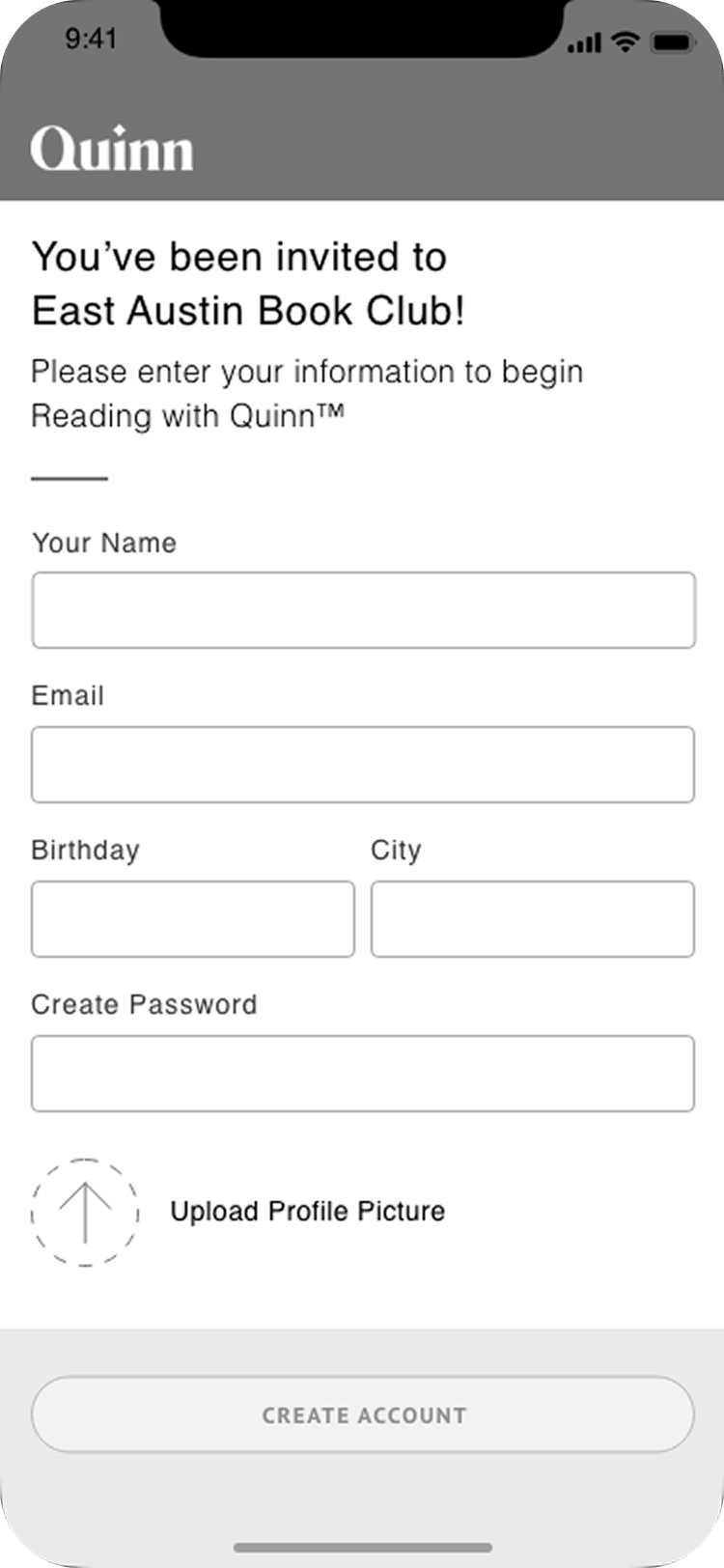
Readers wanted a simple way to join and engage without the overhead of managing a traditional book club.
Different reading style support
The experience needed to accommodate varying reading speeds, schedules, and levels of engagement.
Lightweight interactions
Readers wanted meaningful discussion and connection without adding more meetings to their calendar.
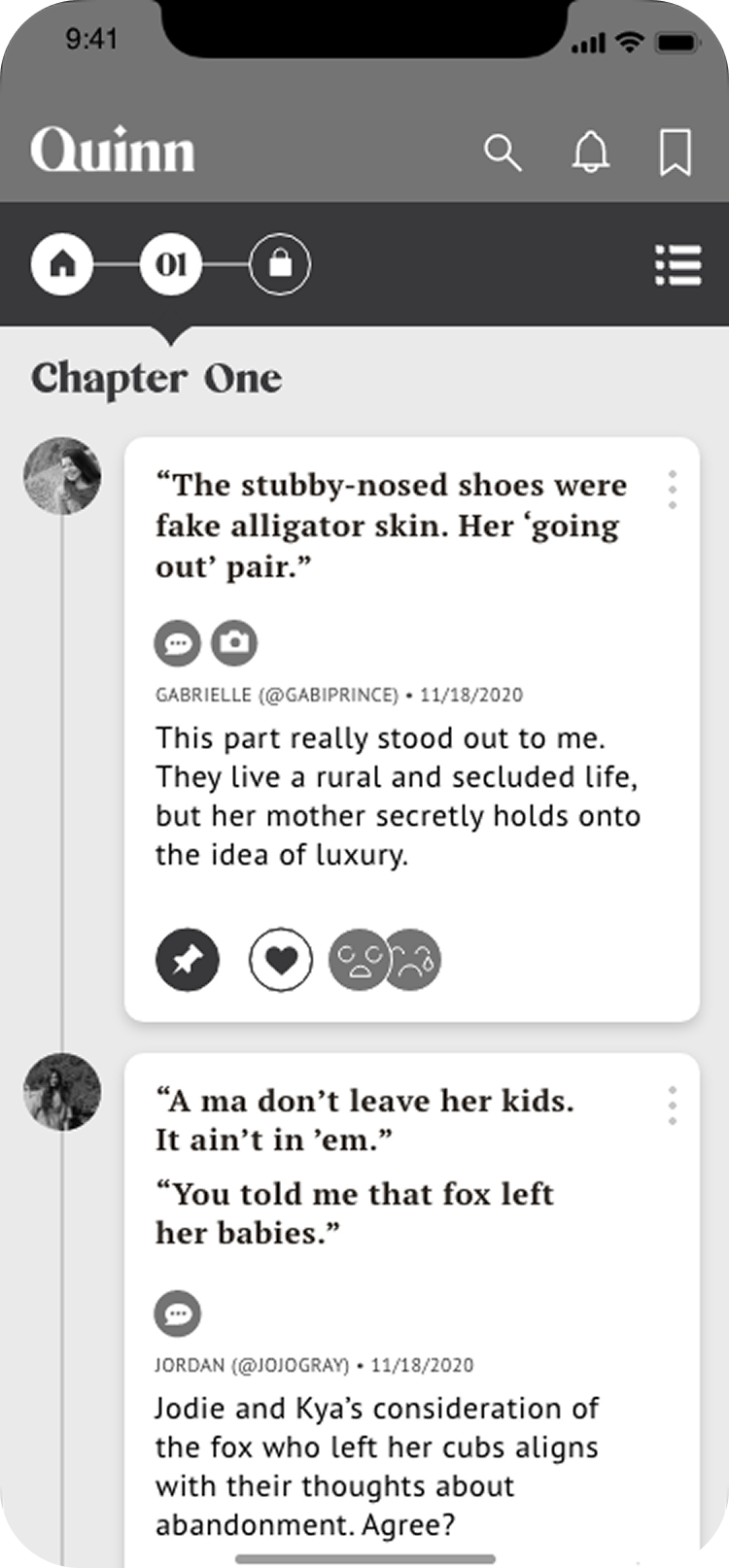
Richer book discussions
Existing tools lacked the structure needed for deeper conversations around books and ideas.
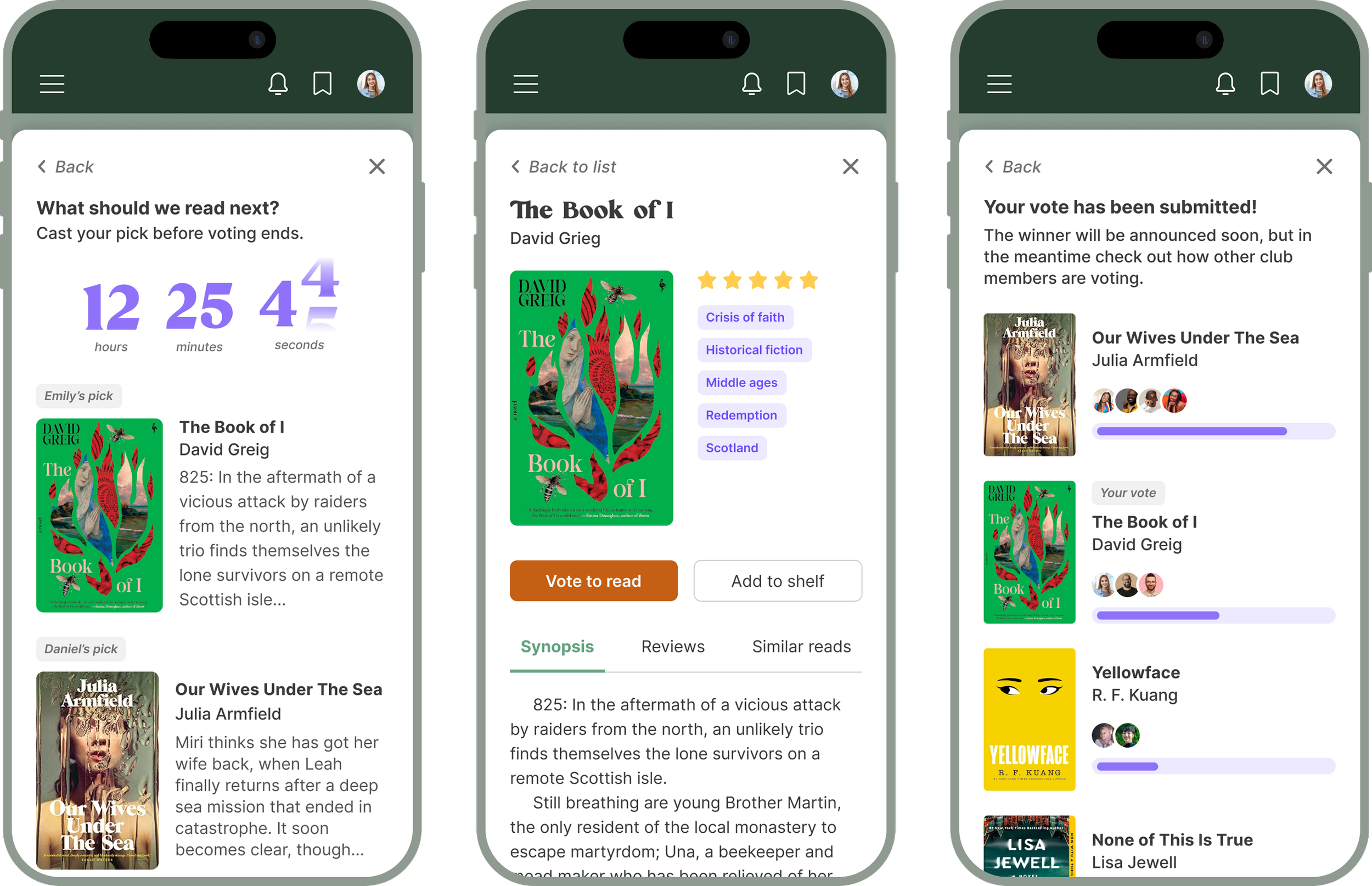
Giving members a voice
Readers wanted a more democratic way to influence and select the club's next book.
Centralized conversations
Discussion was fragmented across channels, creating a desire for a more centralized experience.

Supporting readers beyond the page.
Concepts focused on discovery, discussion, and community experiences that fit naturally into readers' lives.
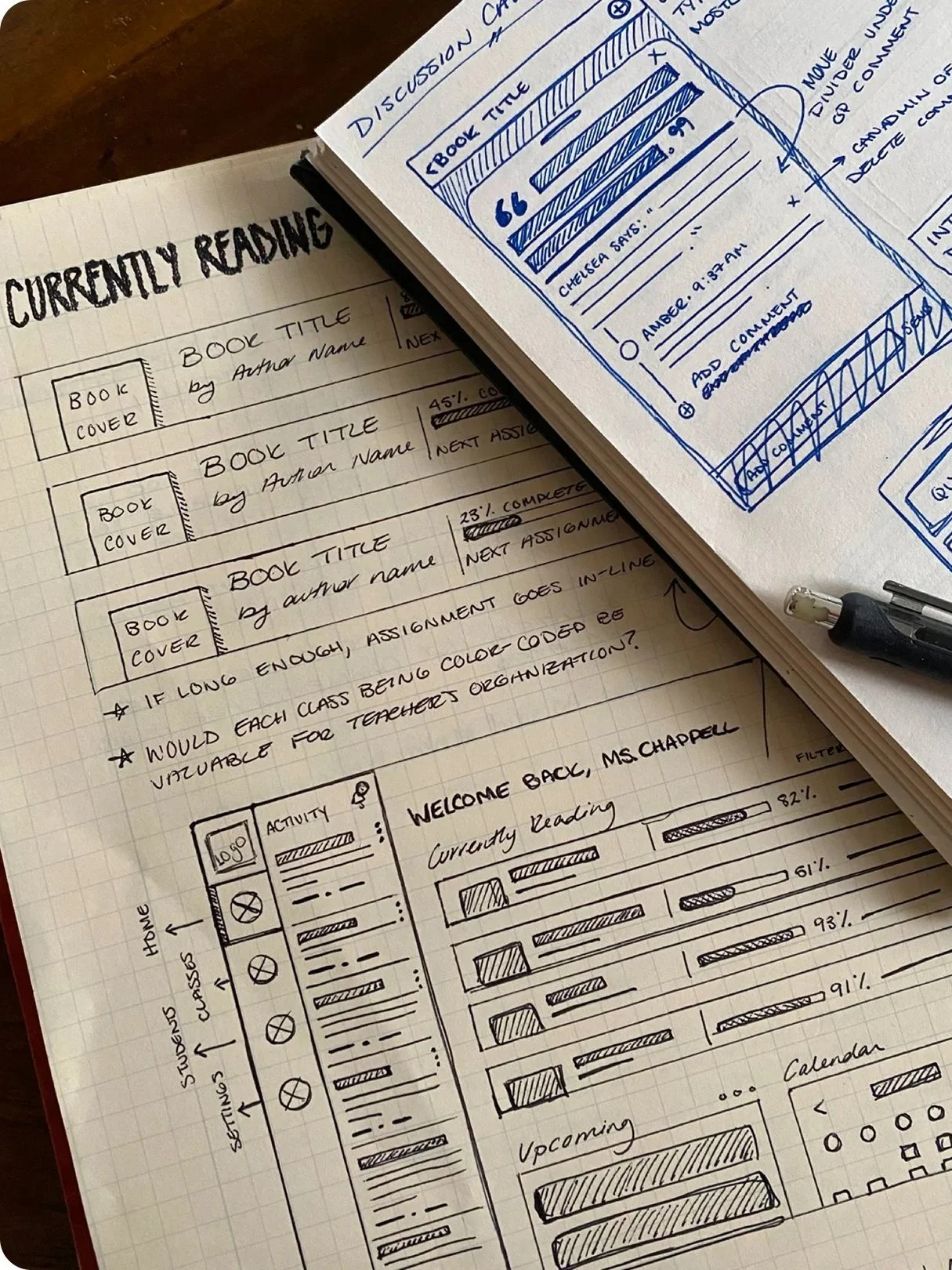
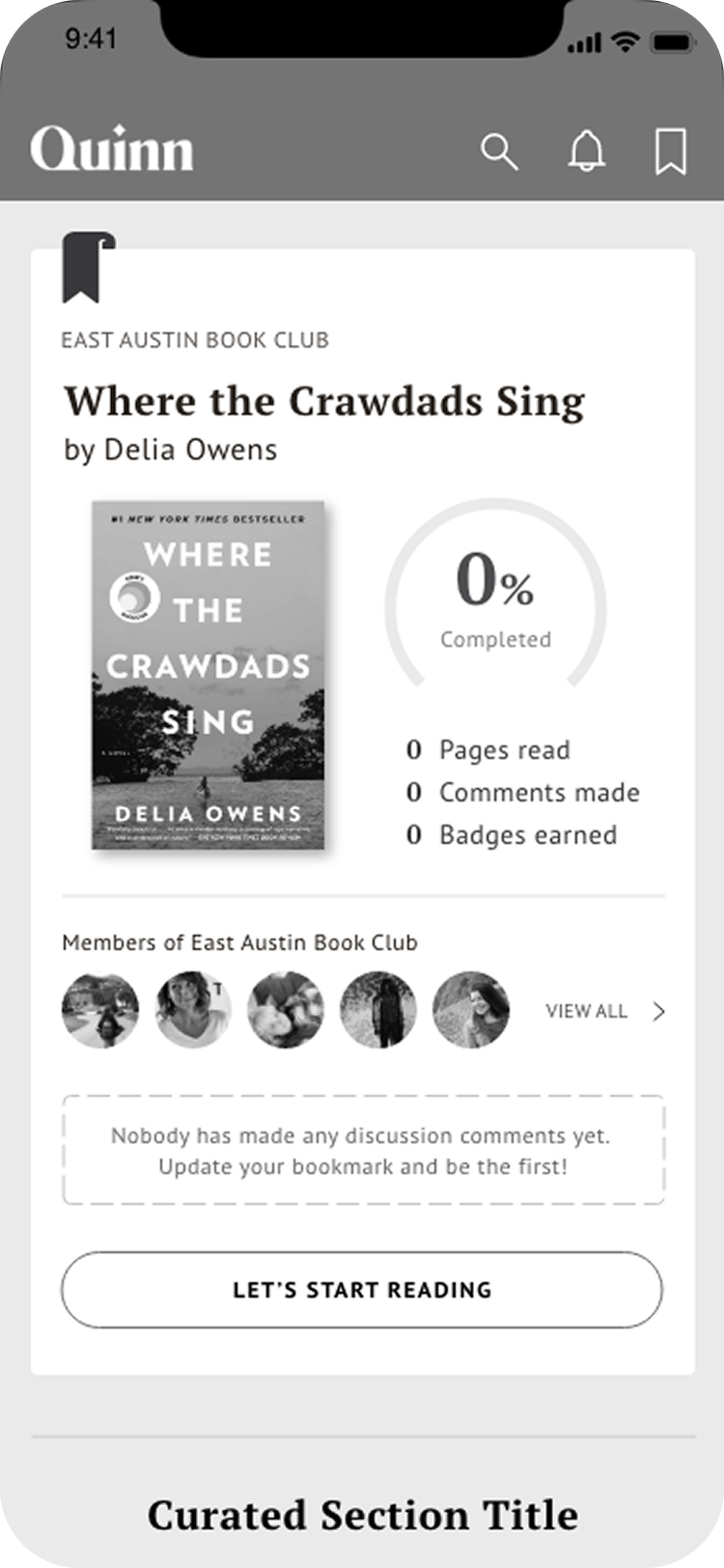
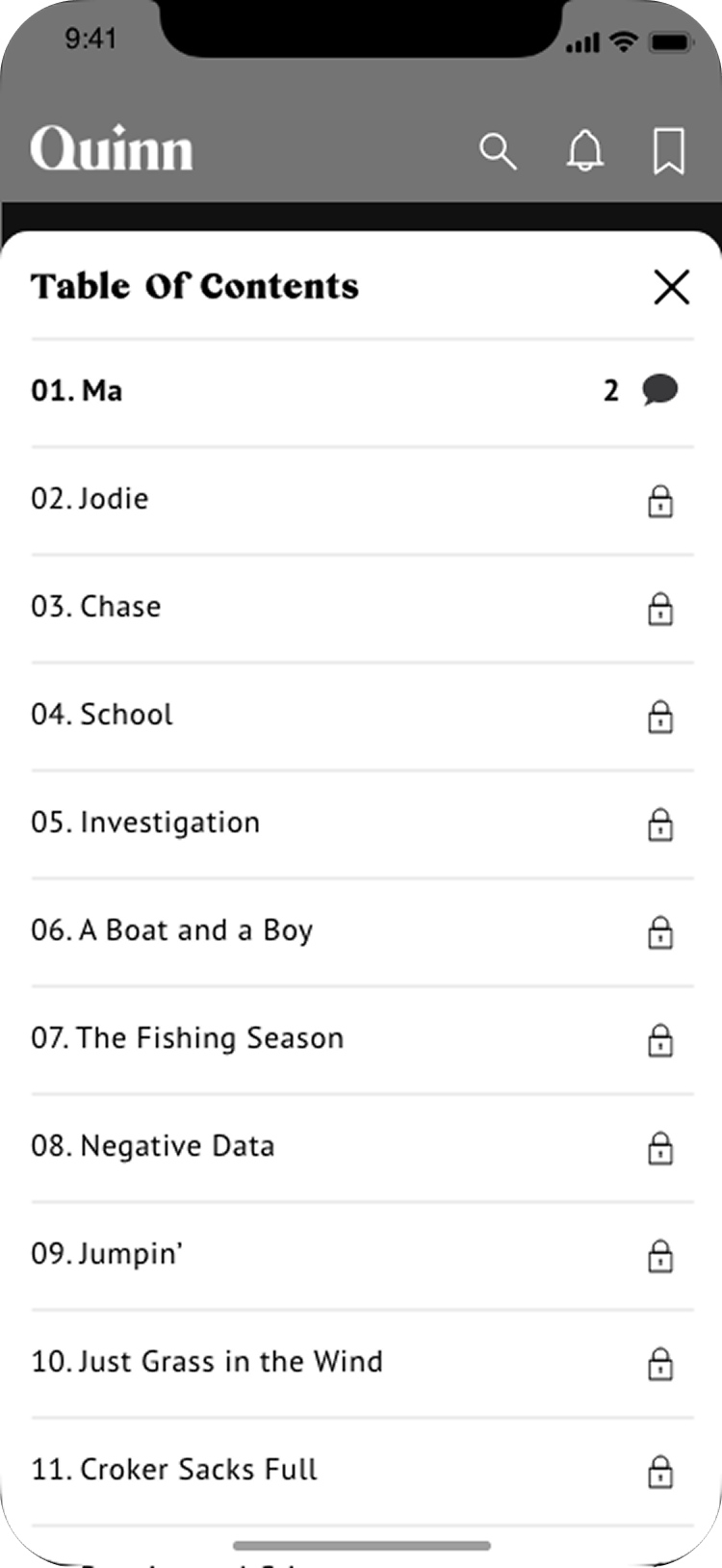
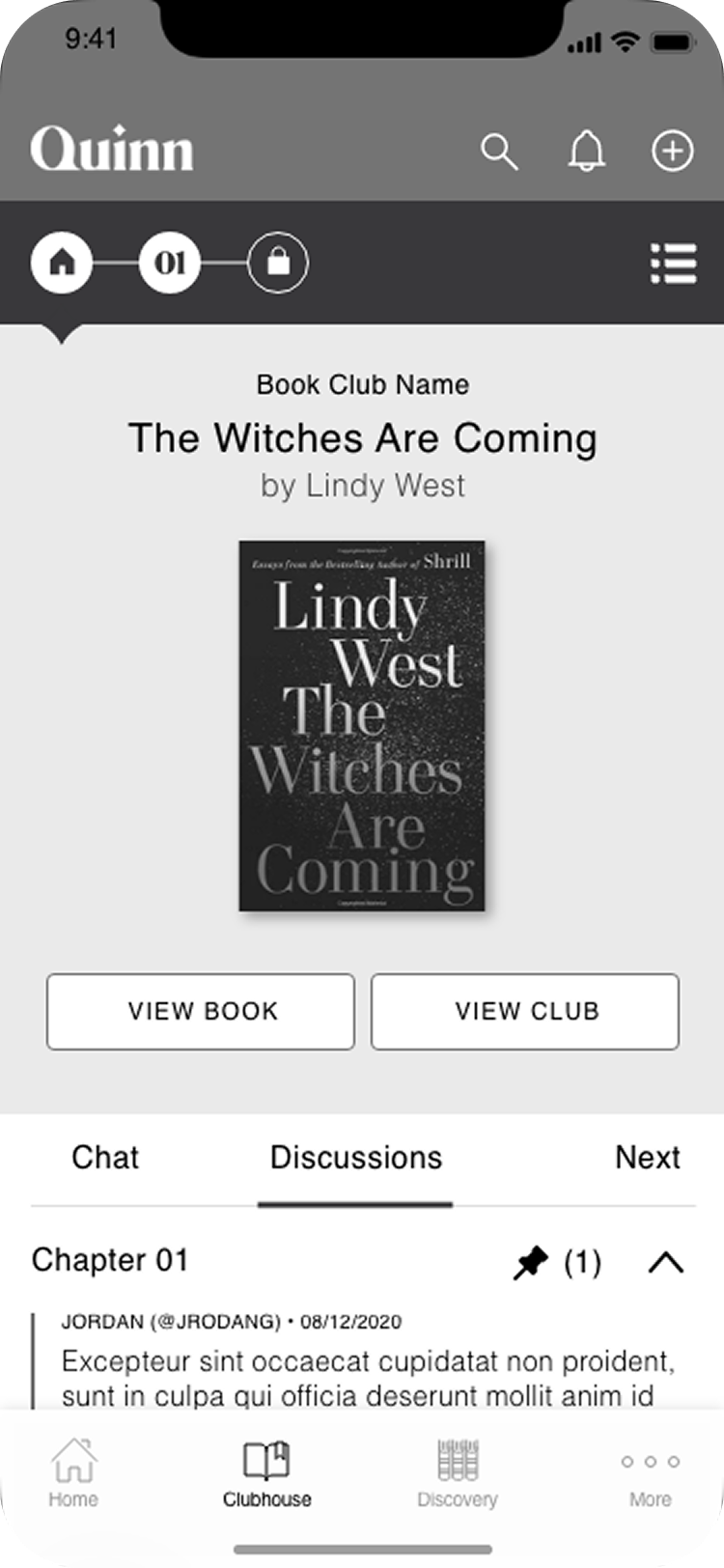


Clubhouse
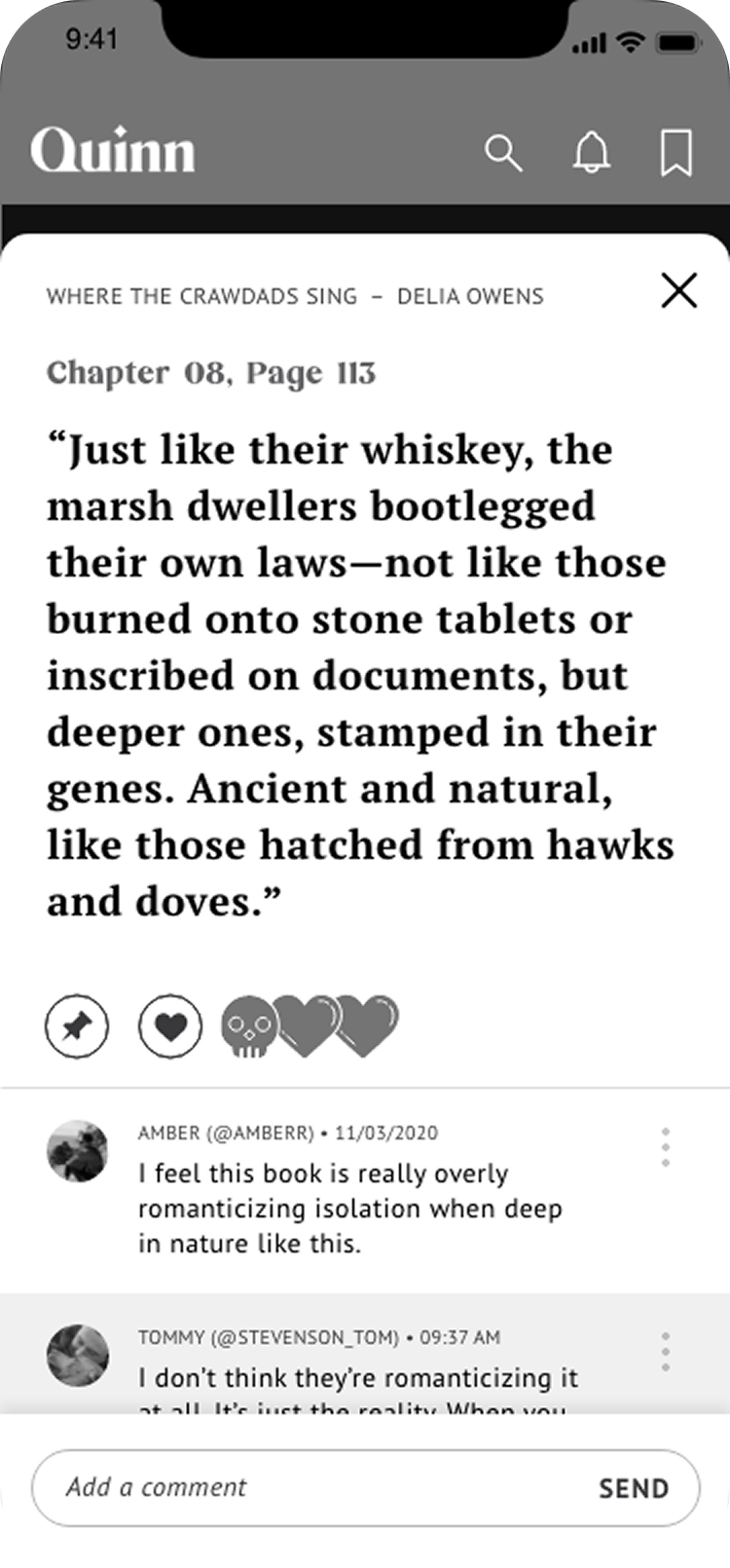
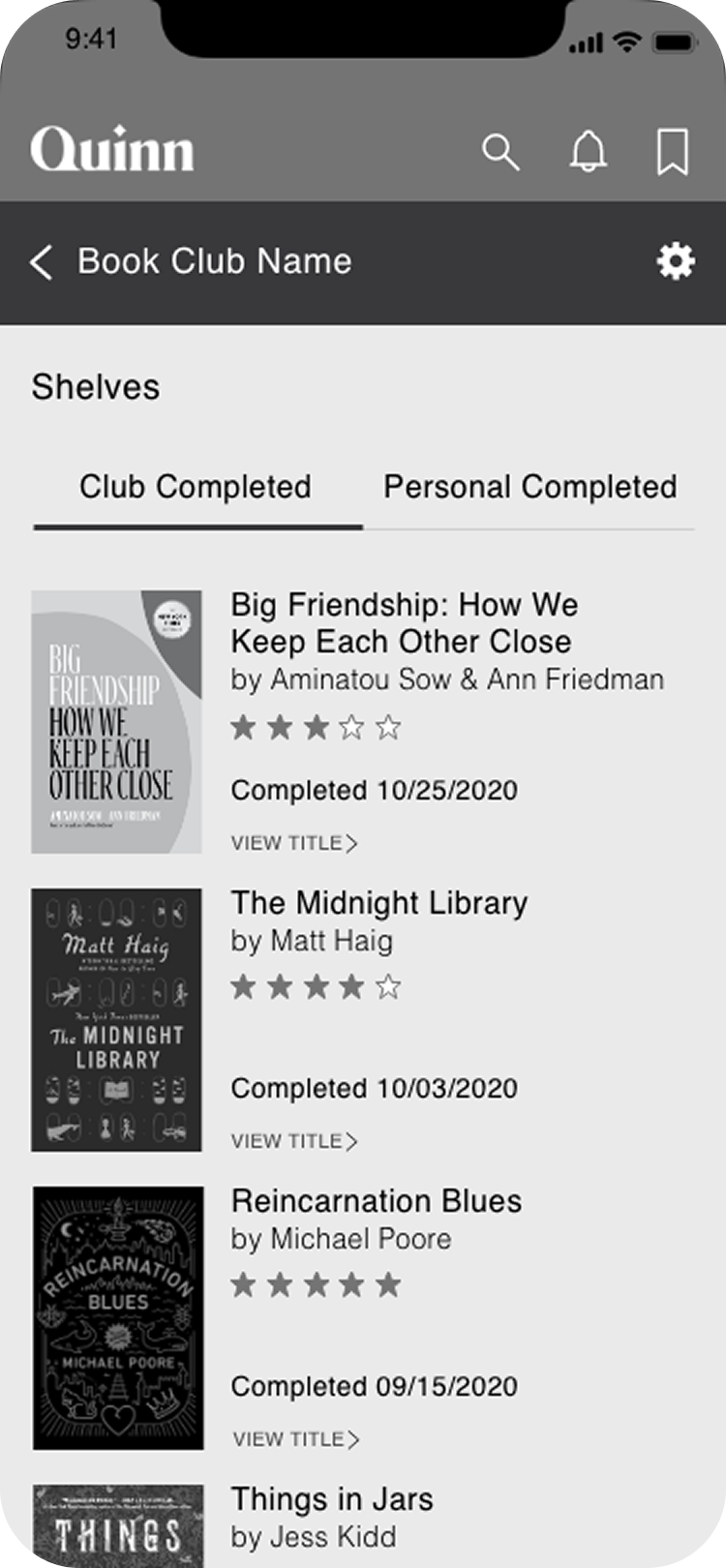
A shared space for discussions, updates, and club activity between meetings.
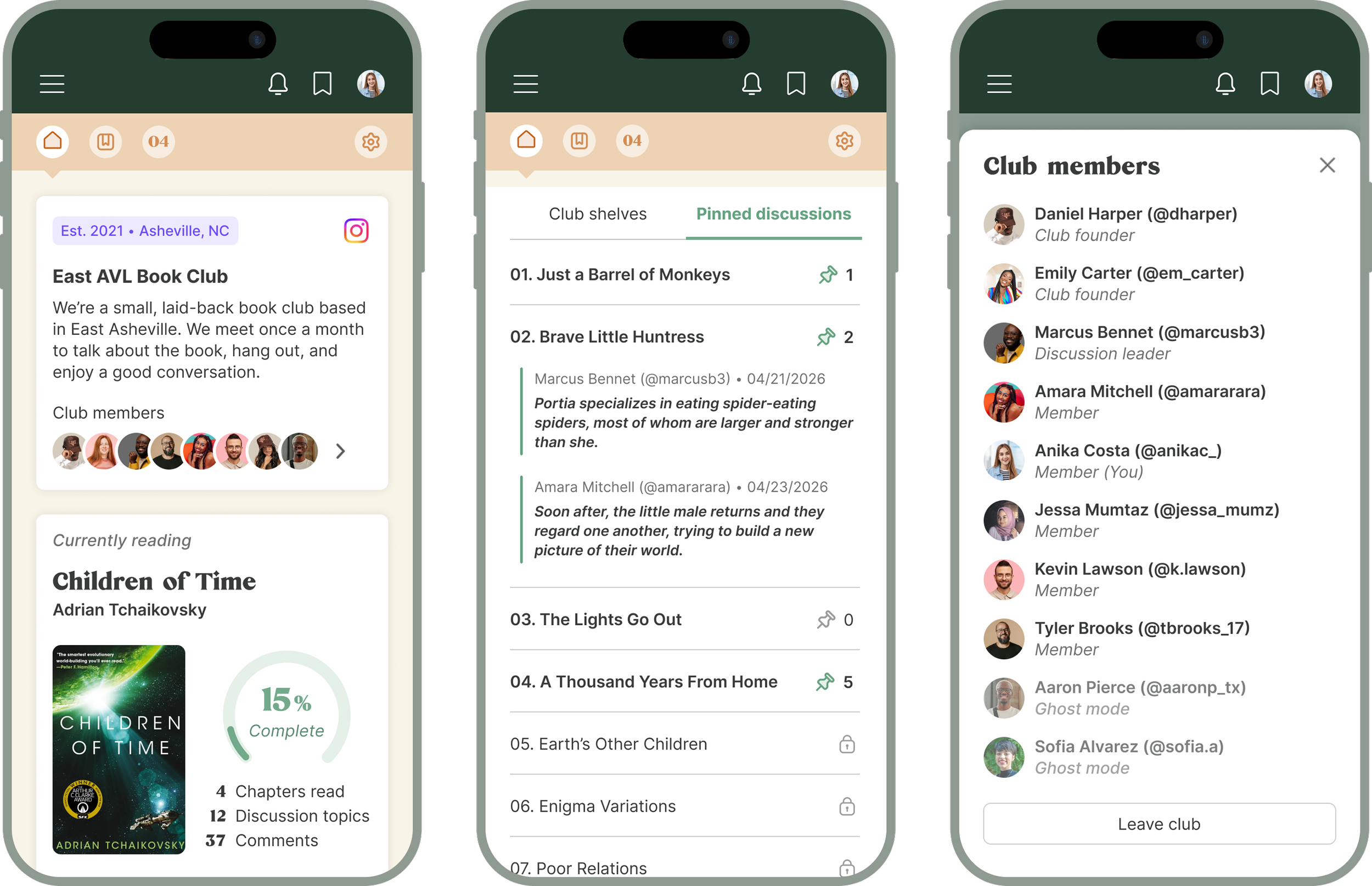
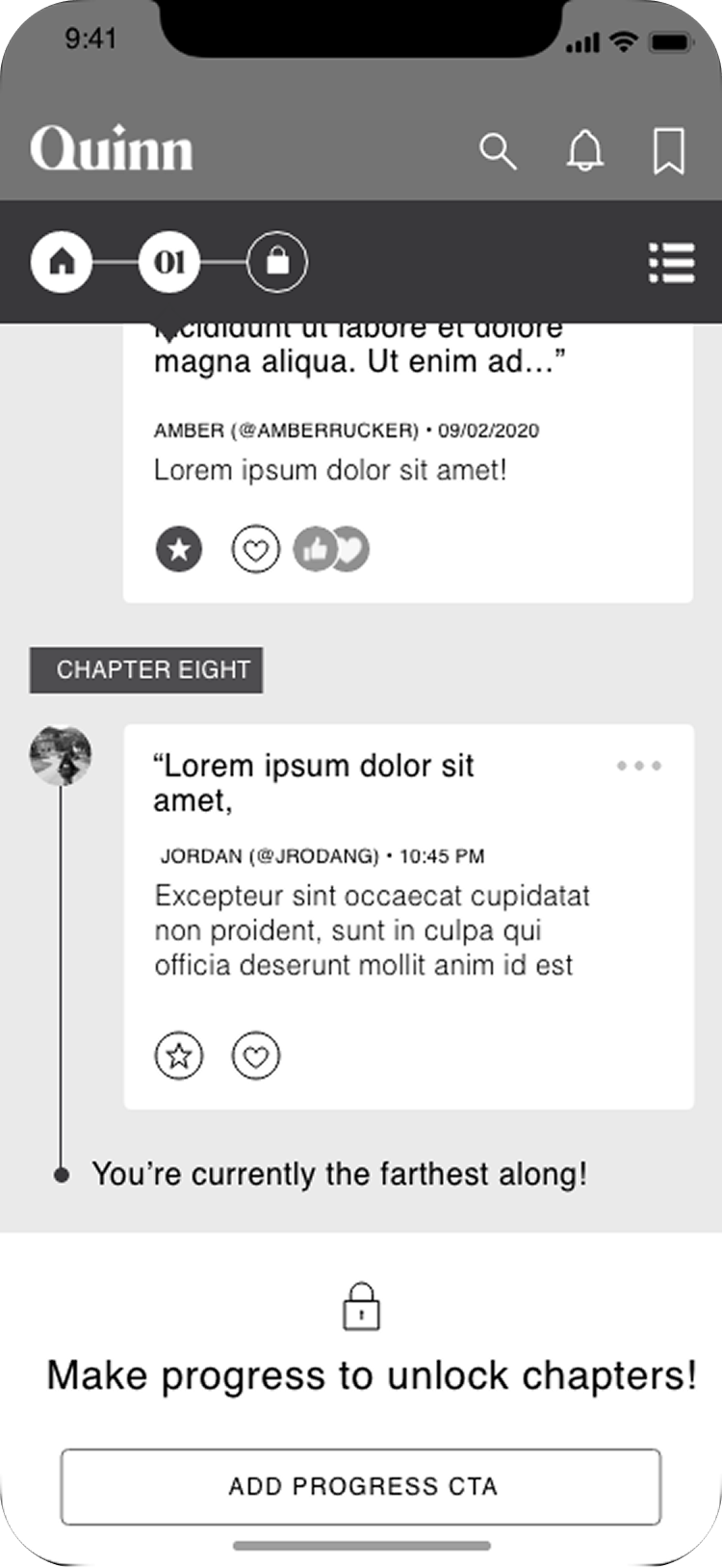
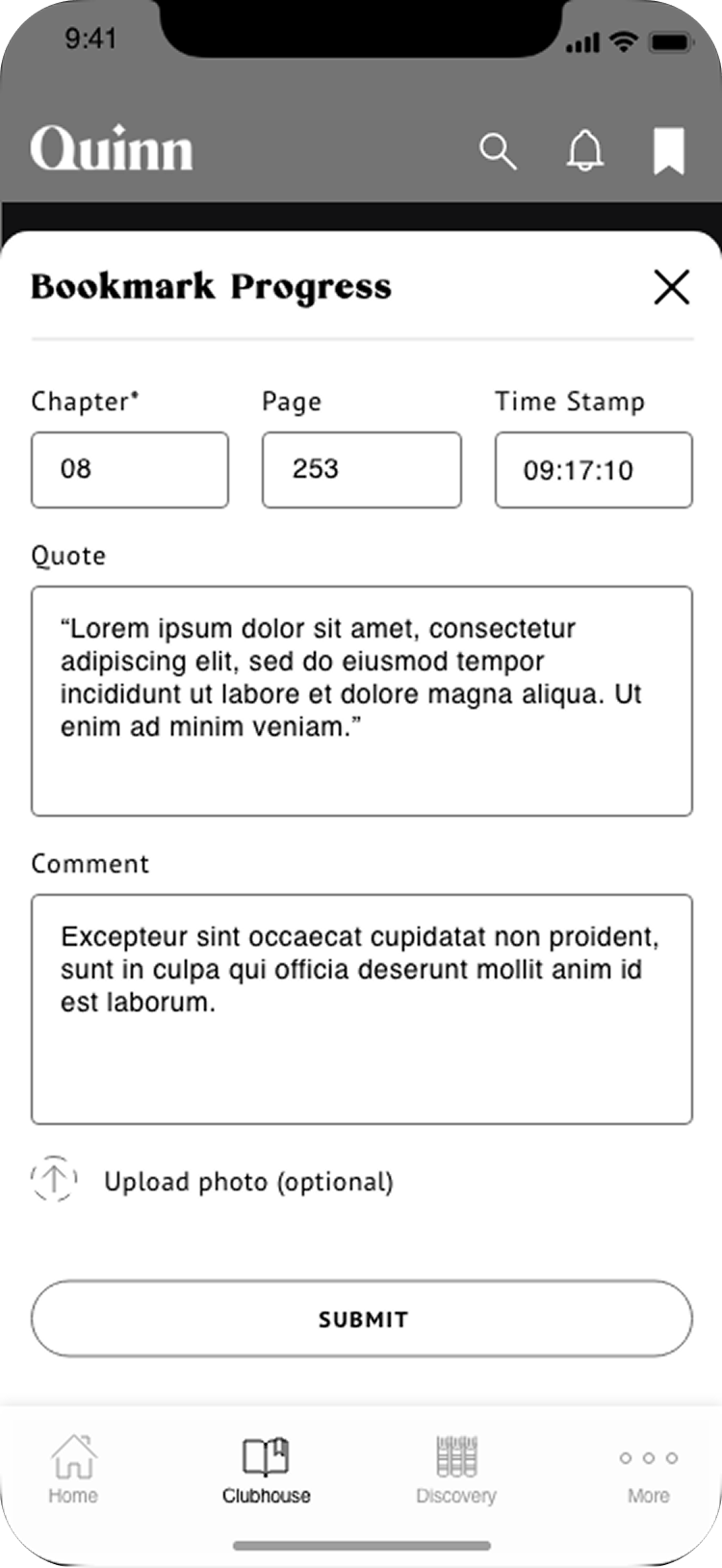
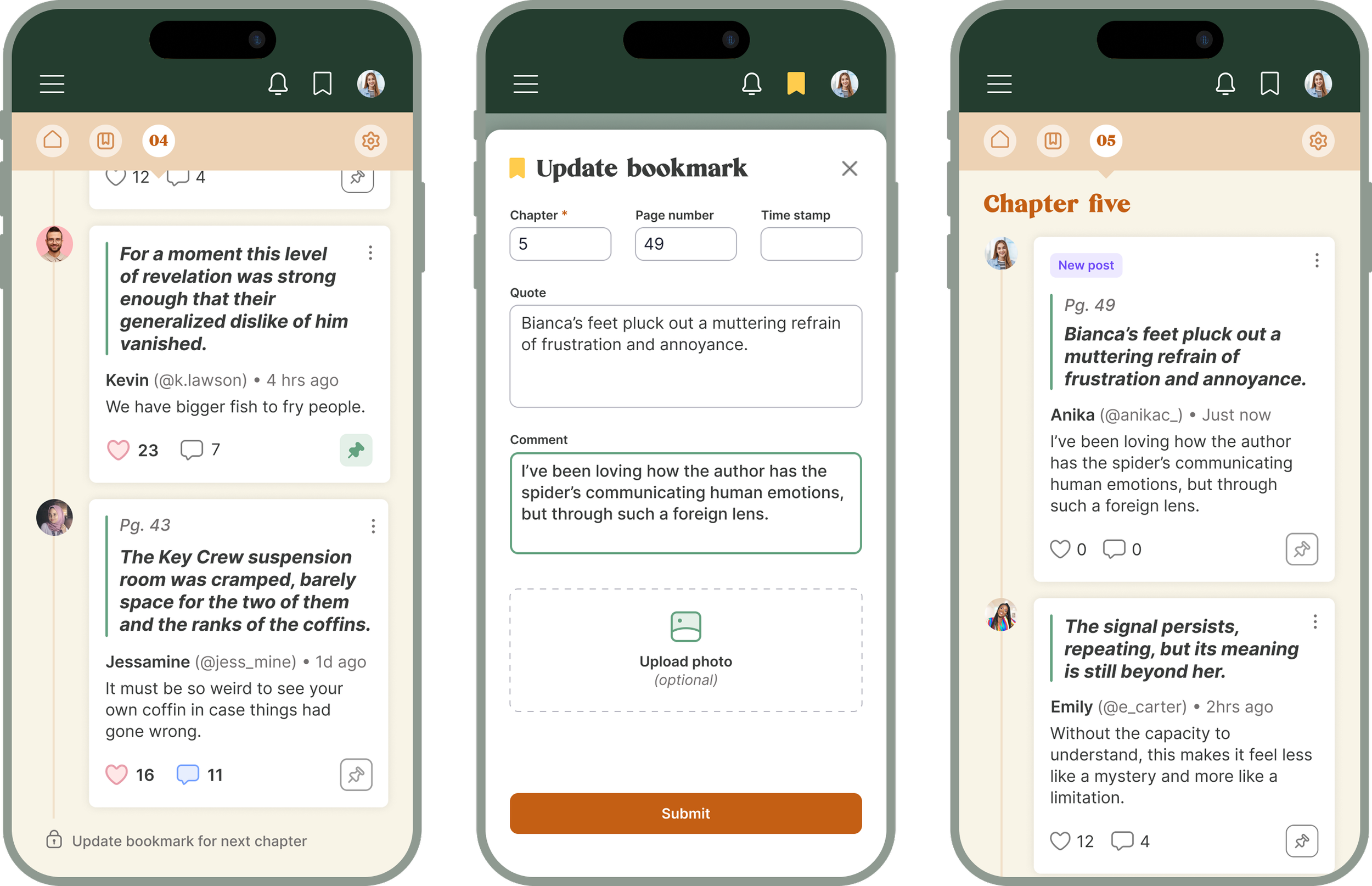
Chapter Gatekeeping
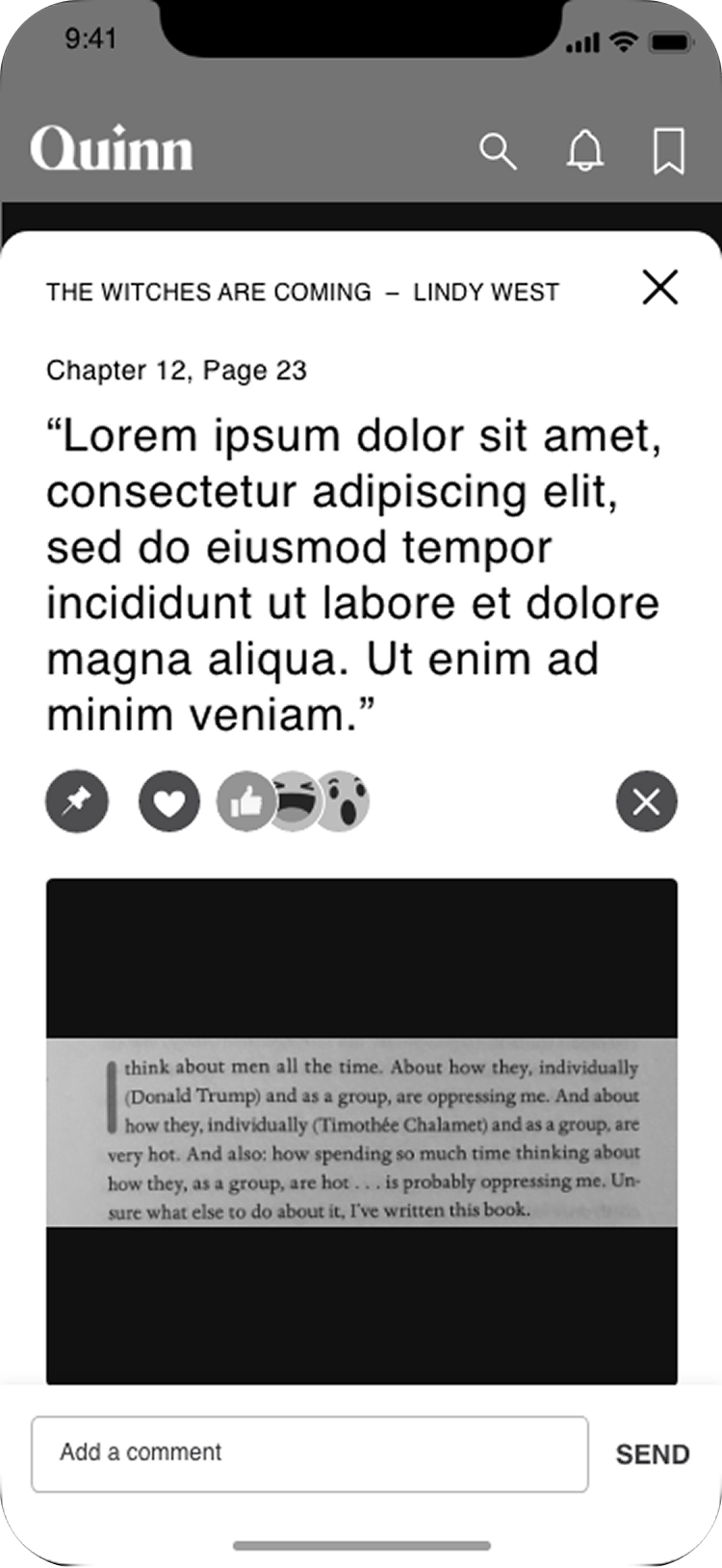
Structured conversations around completed chapters to prevent spoilers and encourage participation.
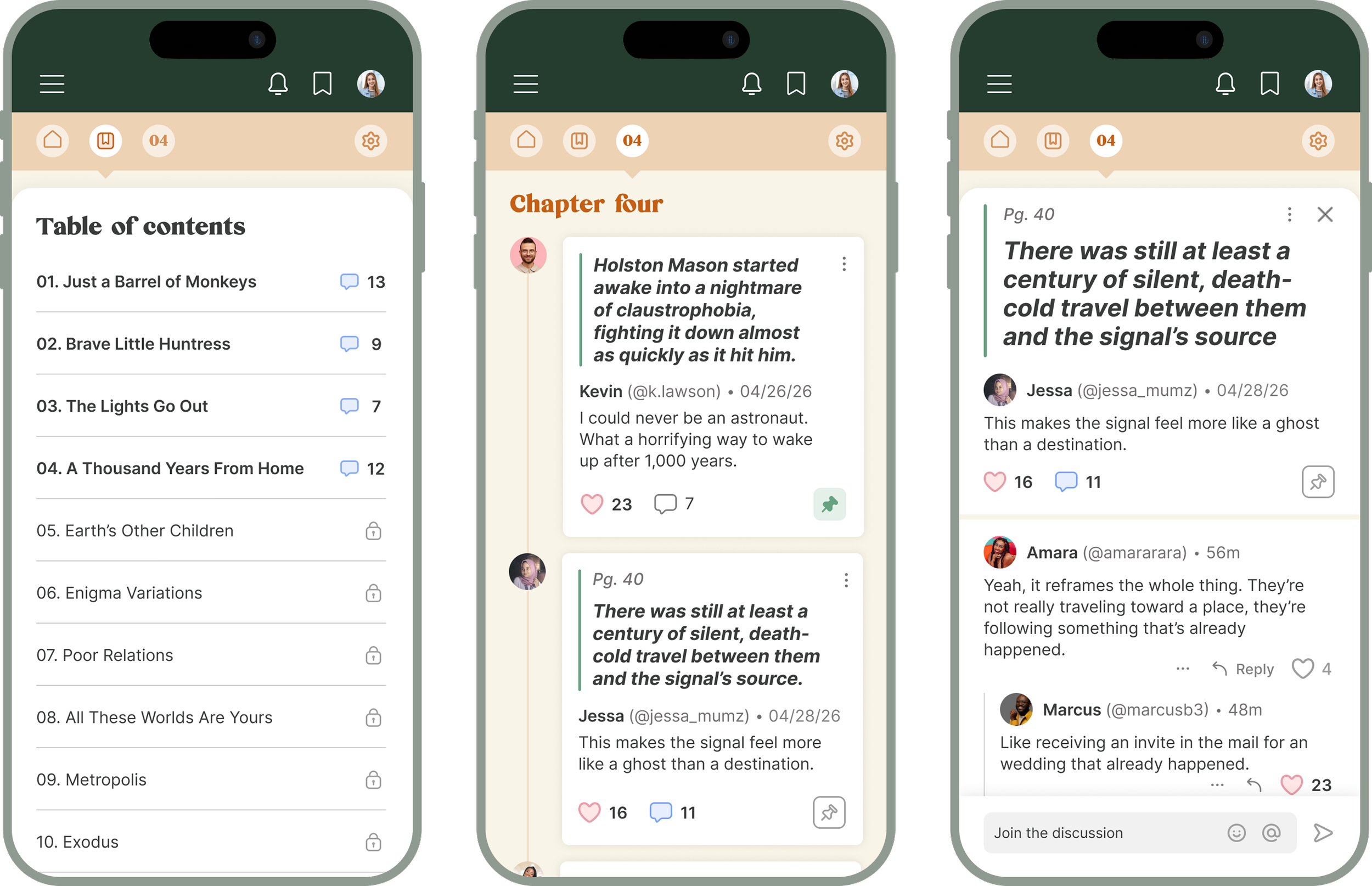
Update Bookmark
Progress tracking that keeps discussions and recommendations aligned to each reader's pace.
Democratic voting
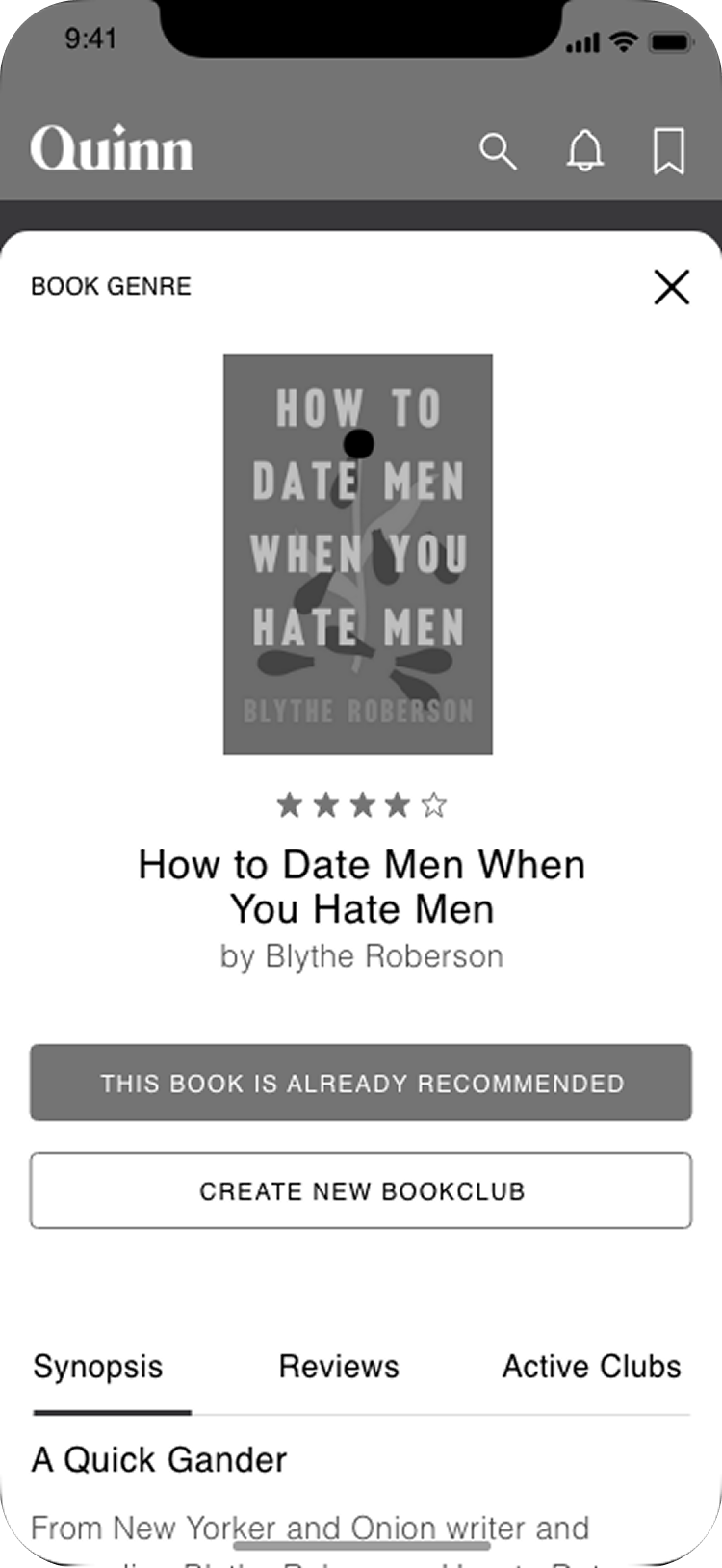
A transparent voting system that gives every member a voice in selecting the next book.