
Operational Bottlenecks
Unprotected iterating
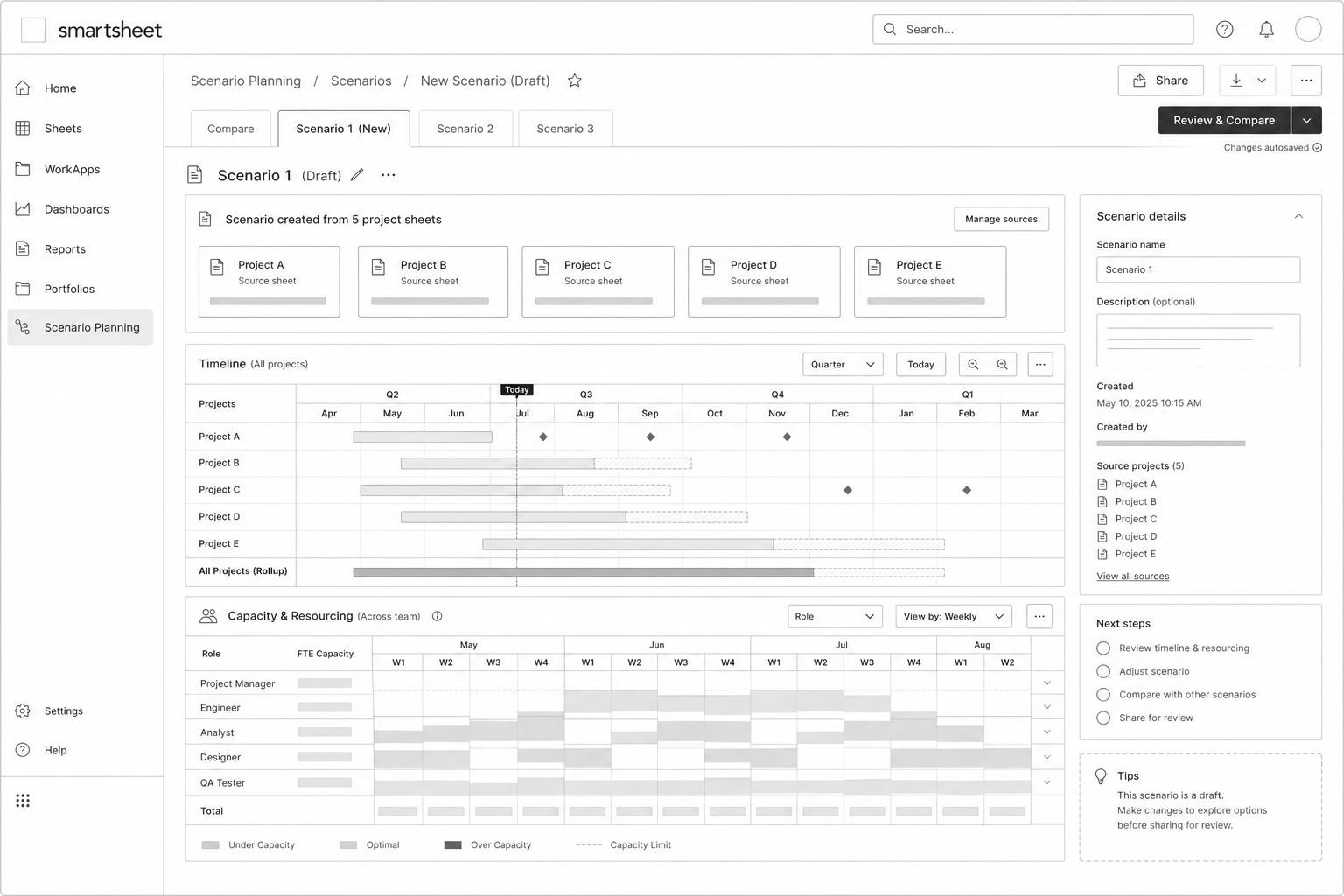
Users could not test staffing or scheduling
decisions without risking changes to active work.
Limited visibility
Teams lacked insight into how changes impacted timelines, capacity, and dependencies elsewhere.
Manual forecasting
Operational planning relied on spreadsheets, meetings, and disconnected workflows.
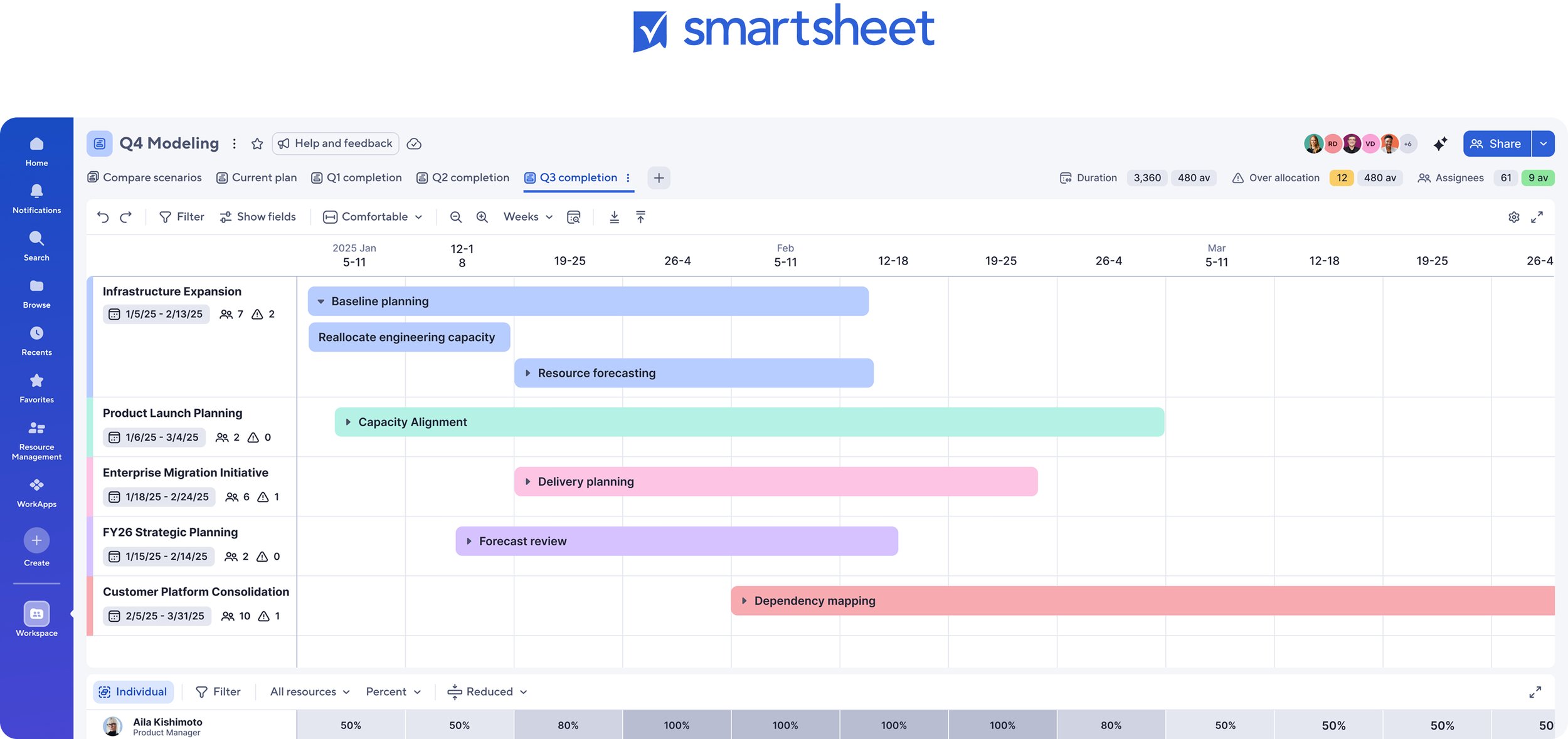
Legacy resource management experience.
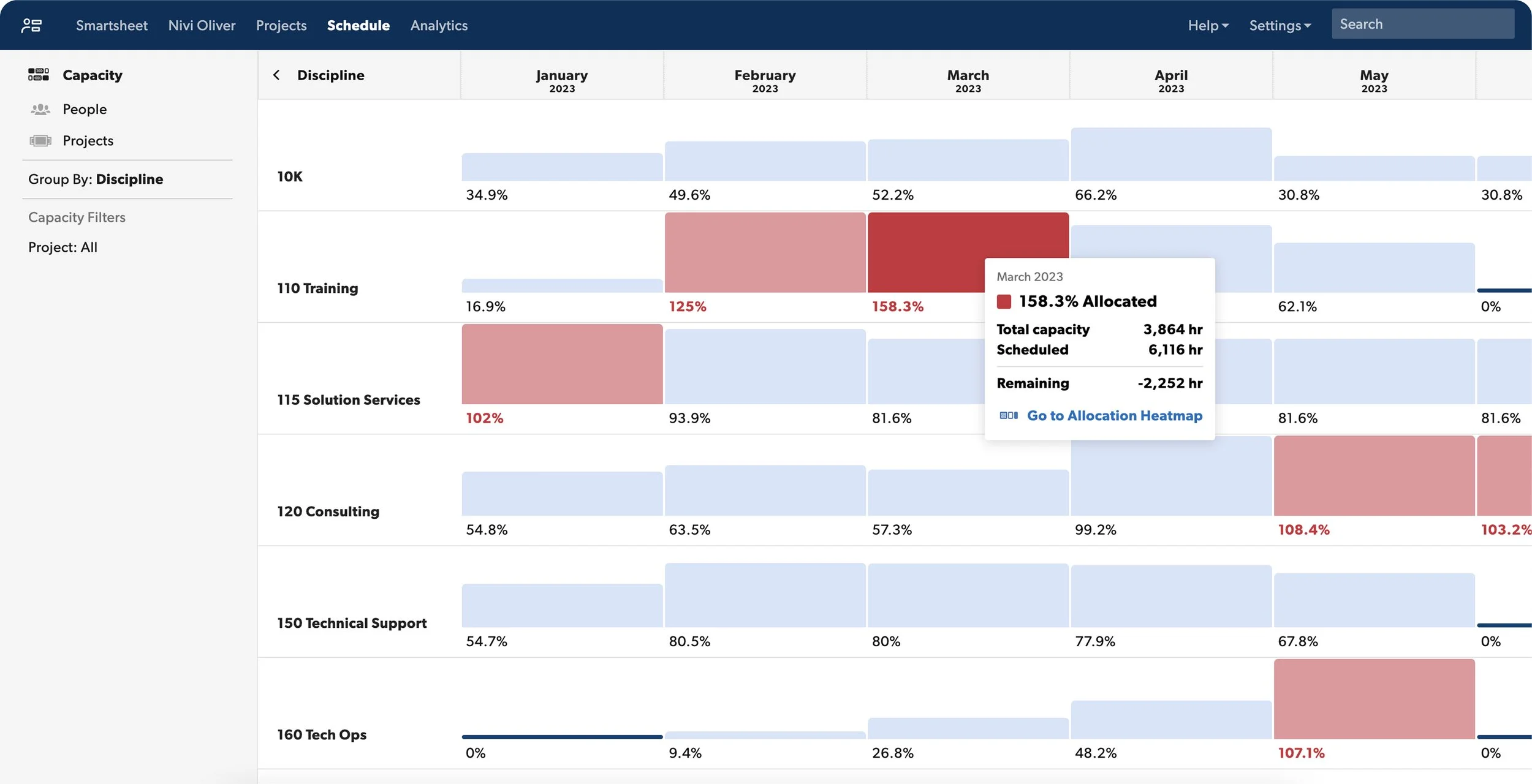
Legacy capacity planning experience.

Business drivers
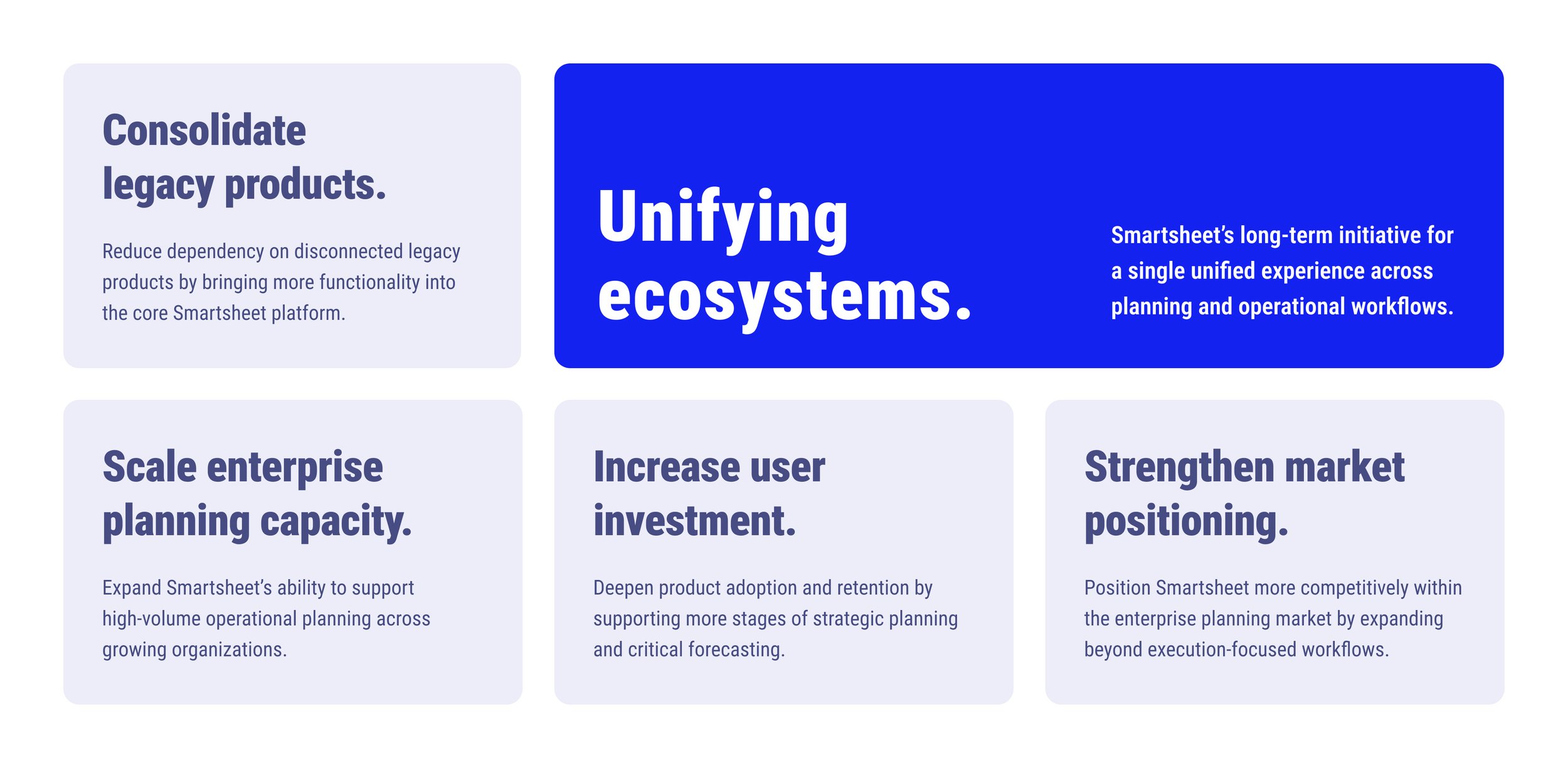
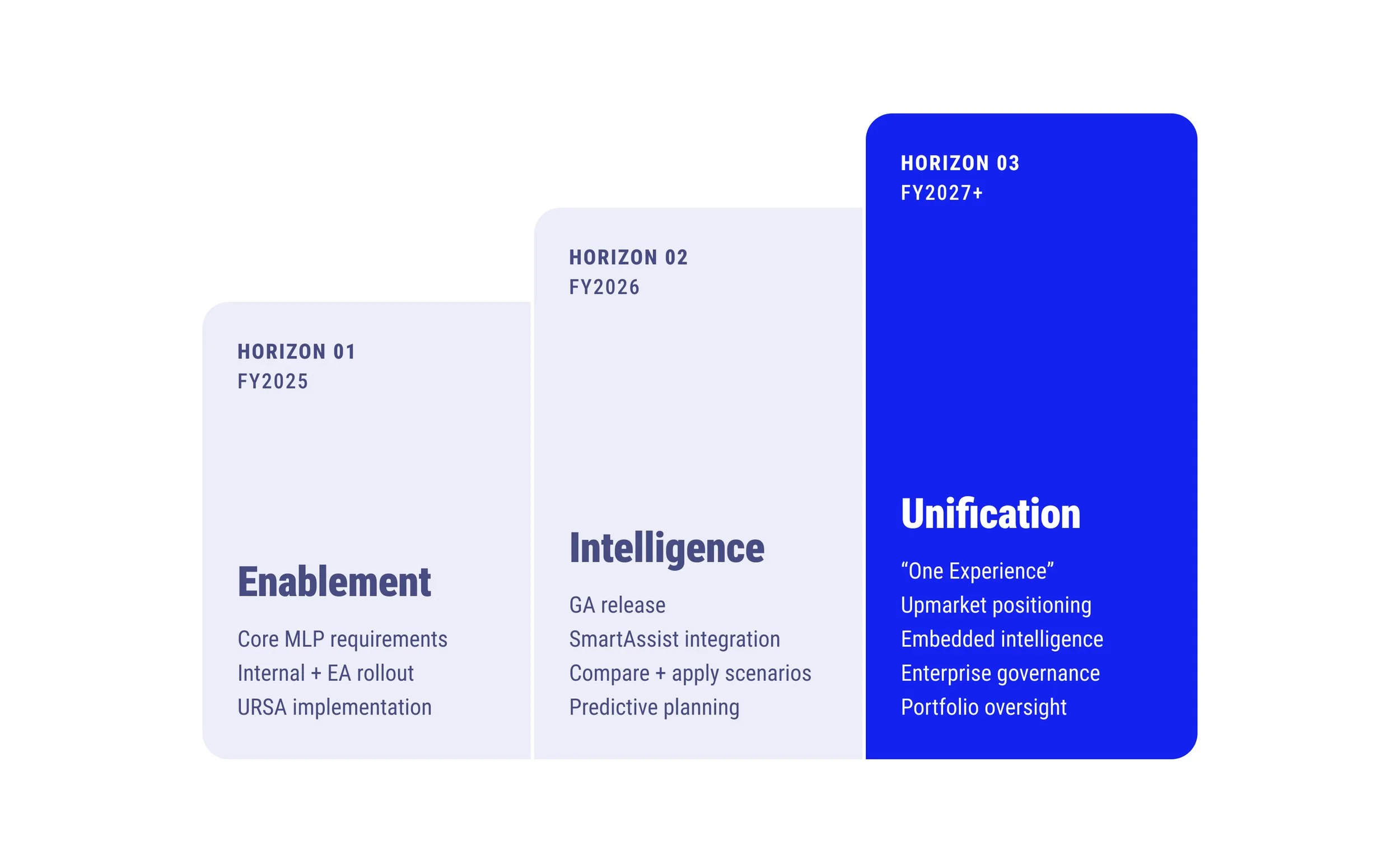
Growth roadmap




Safe exploration
Teams fear simulated changes
would disrupt active project work.
Organizational visibility
Users lack a centralized view across projects, teams, and initiatives.
Downstream impacts
Planning decisions introduce a ripple of complex operational tradeoffs.
Strategic forecasting
Schedulers struggle to model future operational needs at scale.
Stakeholder buy-in
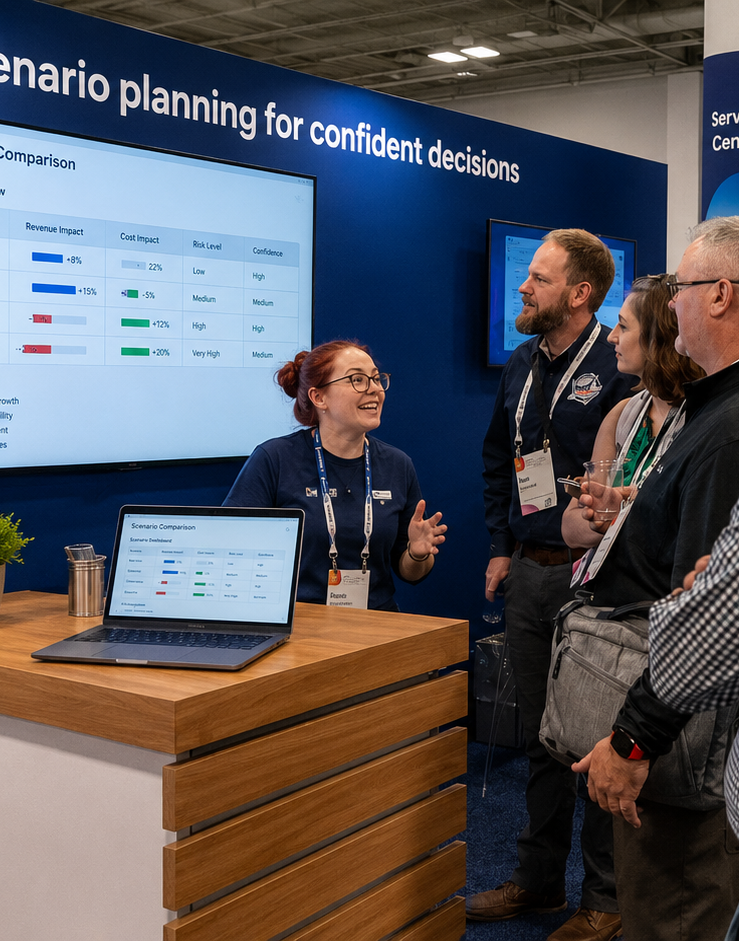
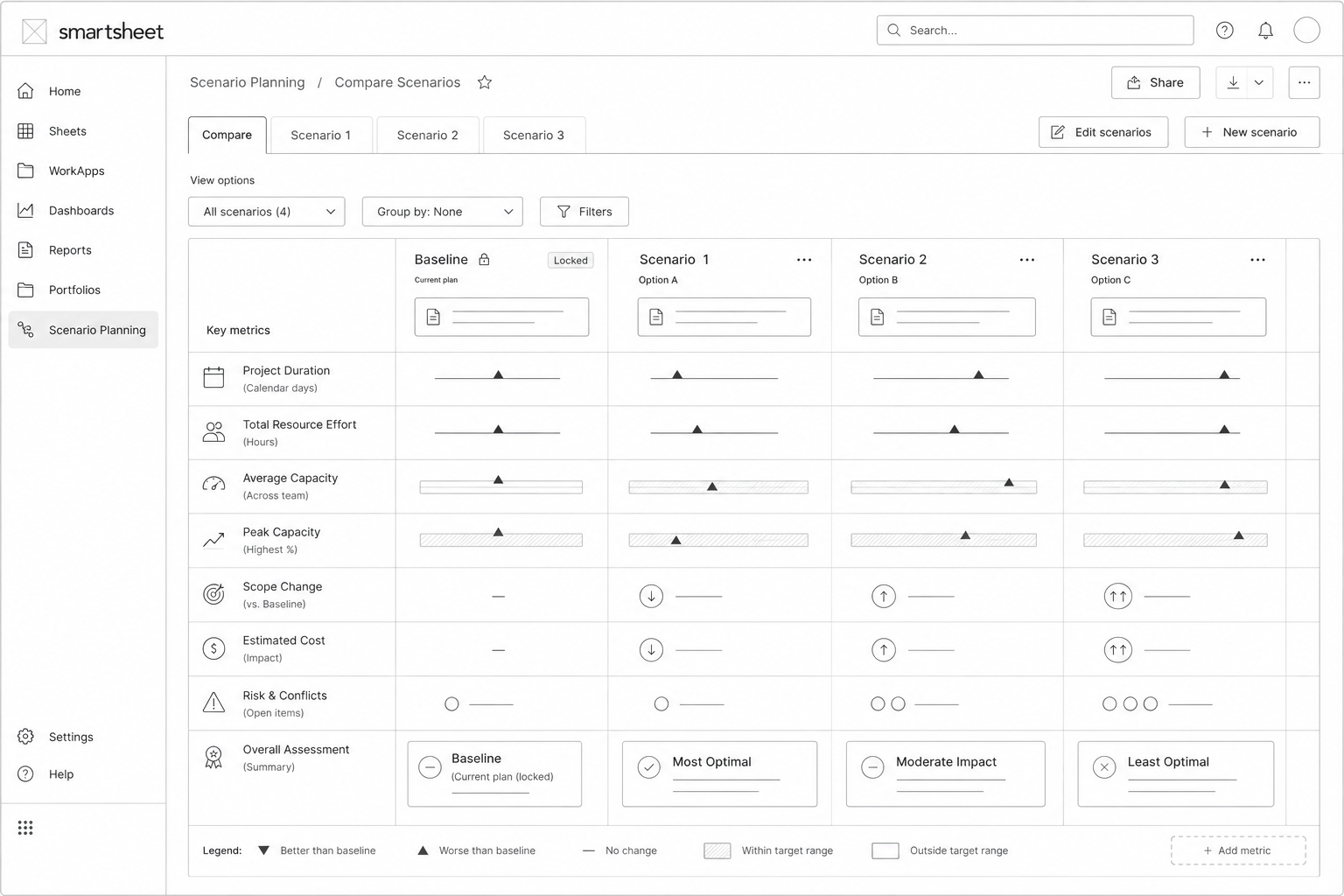
Leaders need concise scenario snapshots to accelerate approvals.
Applied planning
Approved scenarios necessitated coordinated rollout across teams.

AI-driven ideation
Early concept explorations are rapidly visualized and iterated on to support alignment and workflow direction.

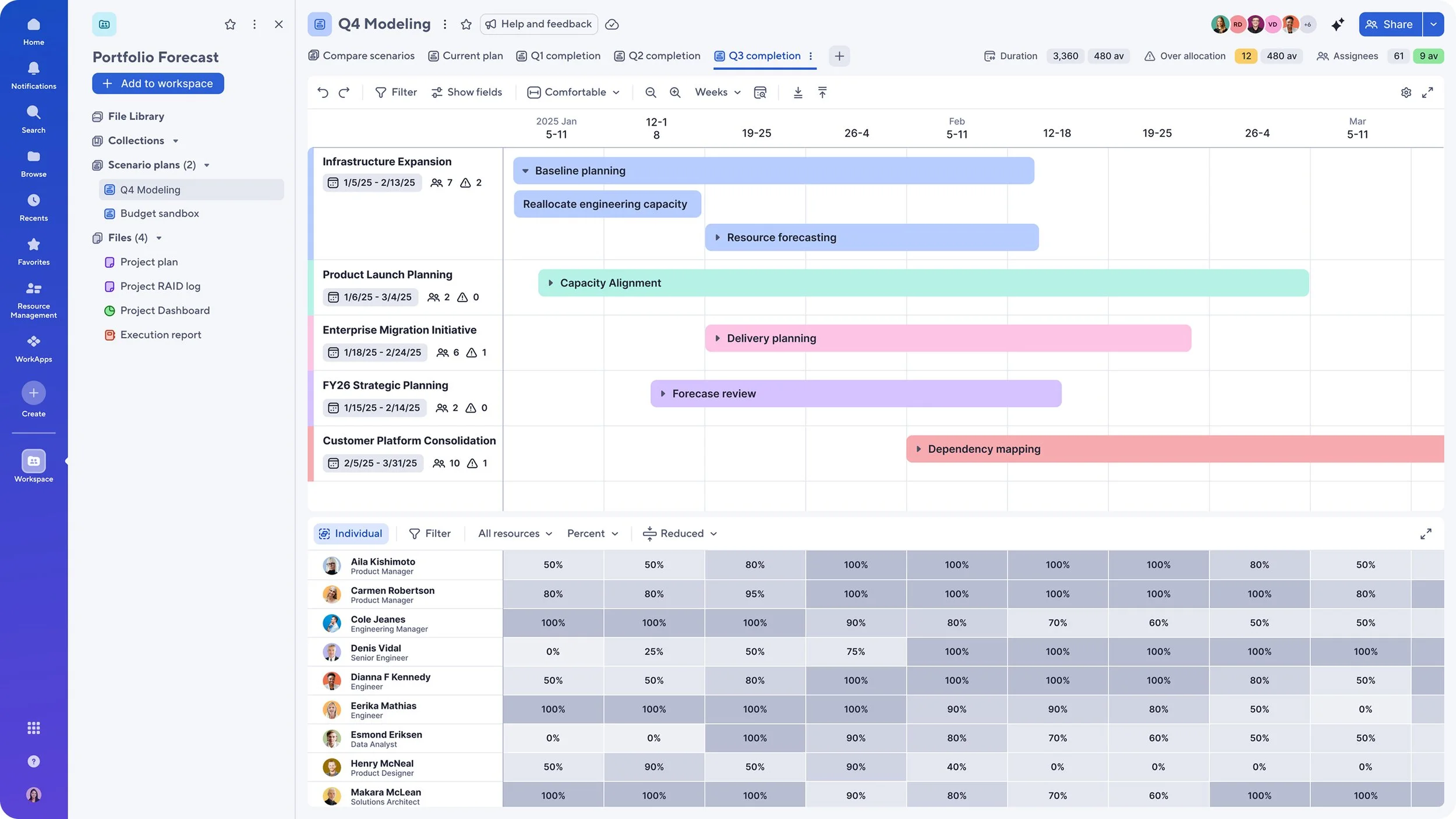
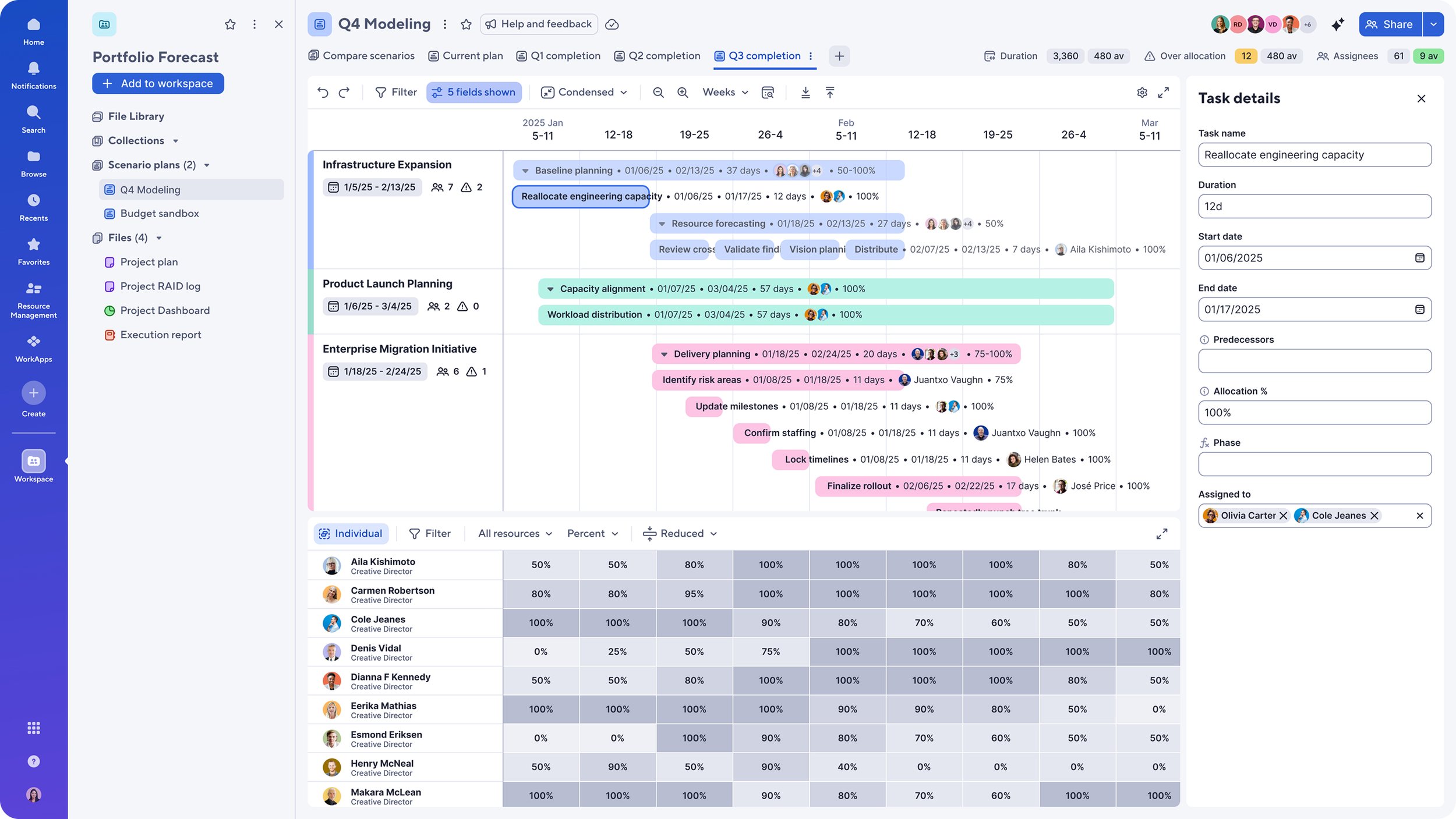
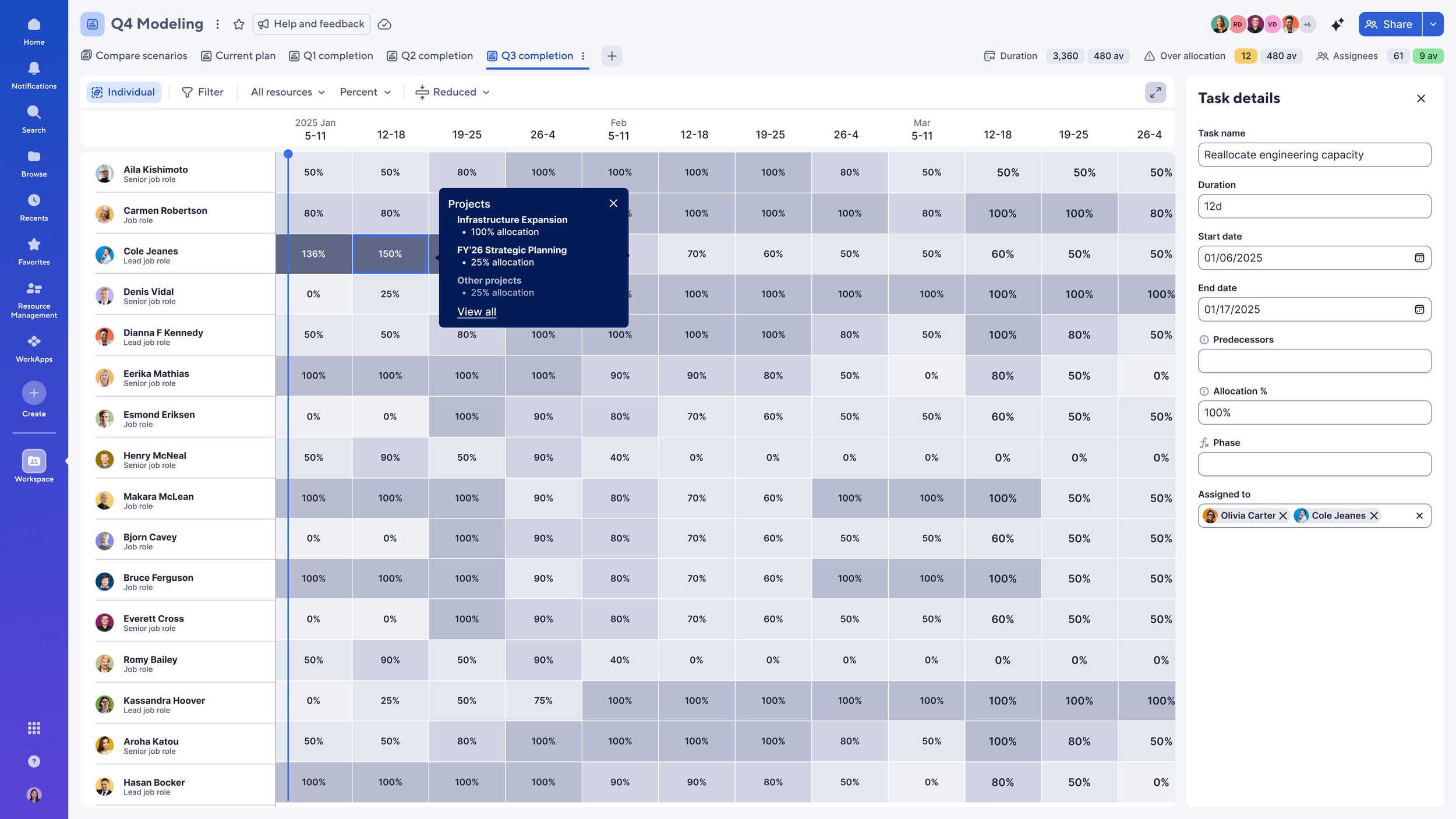
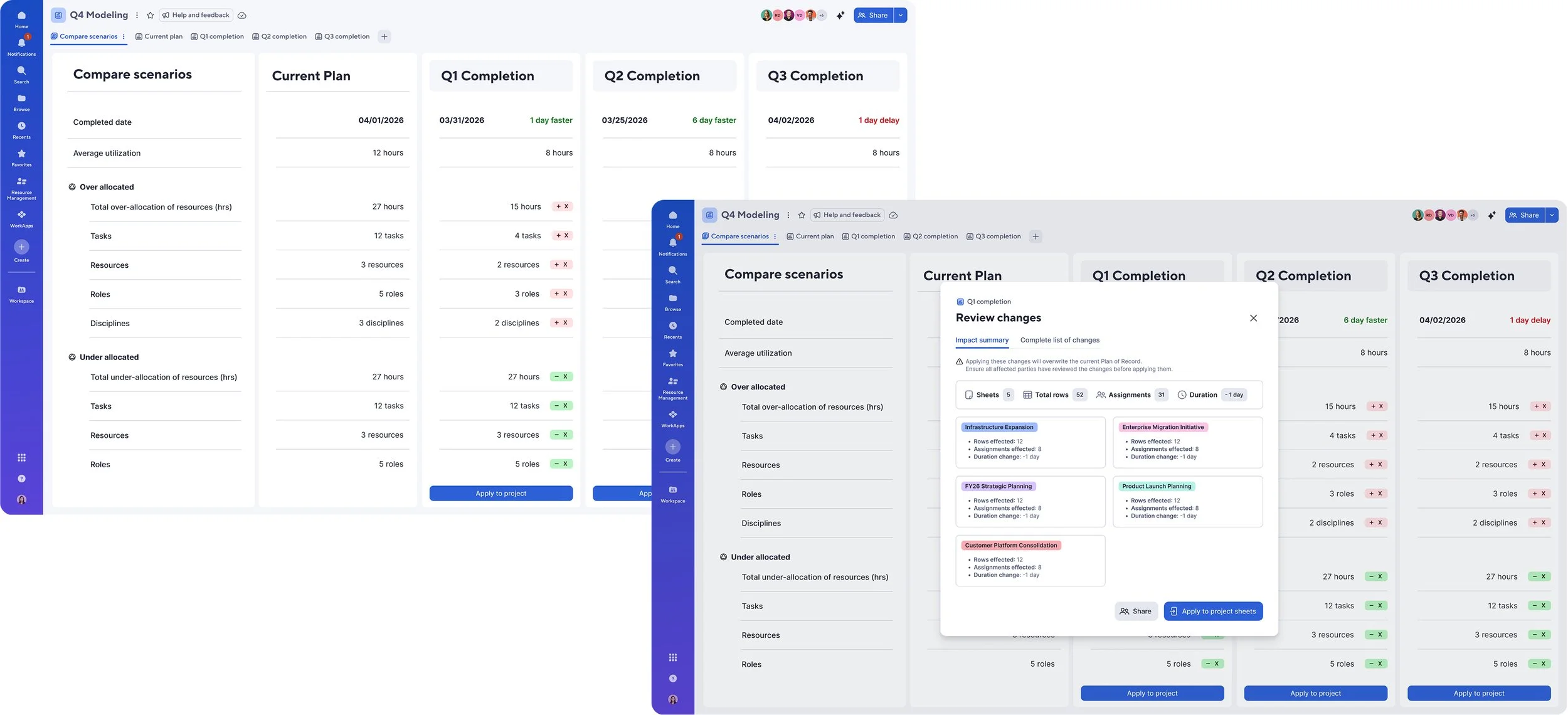
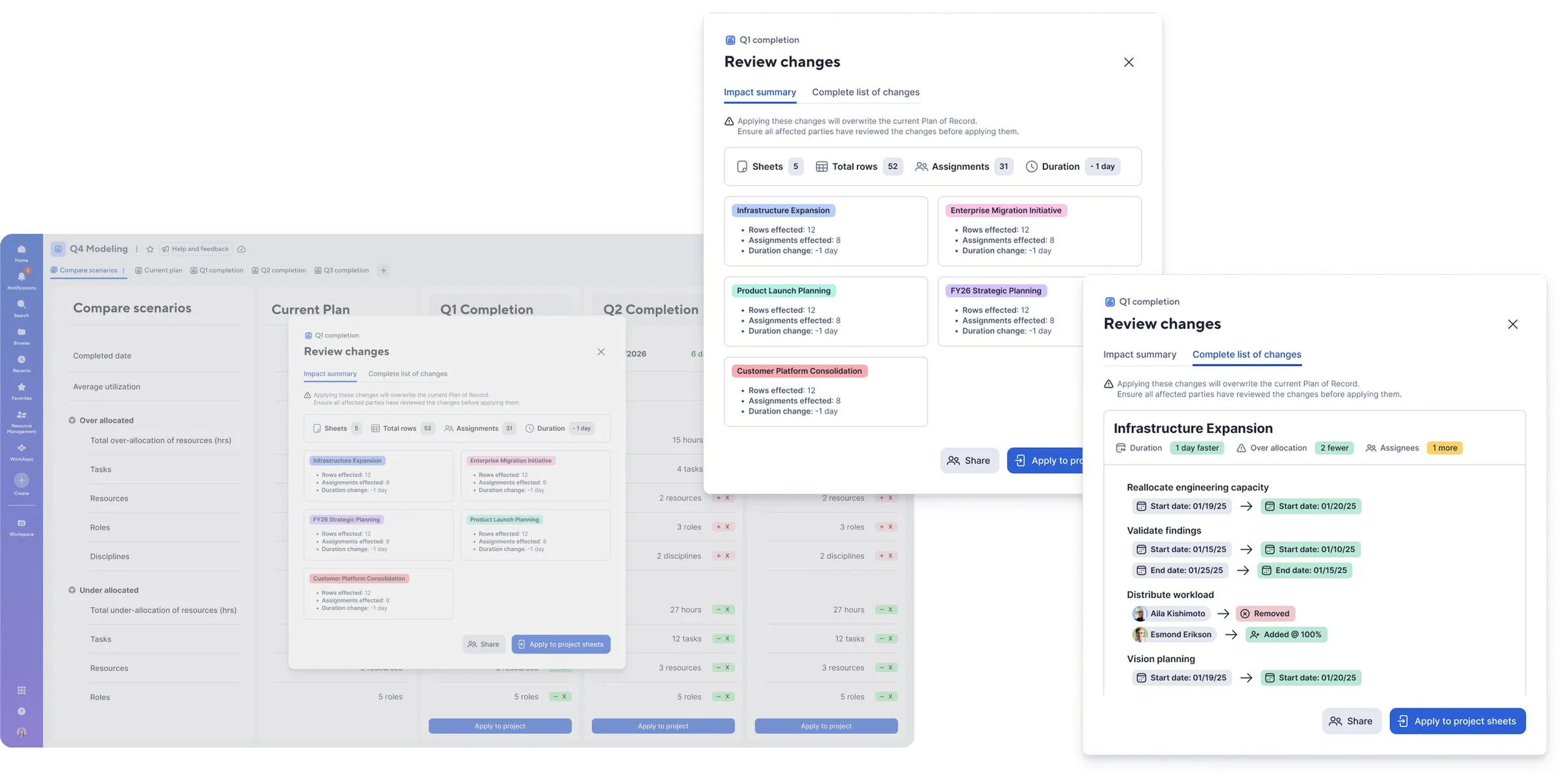
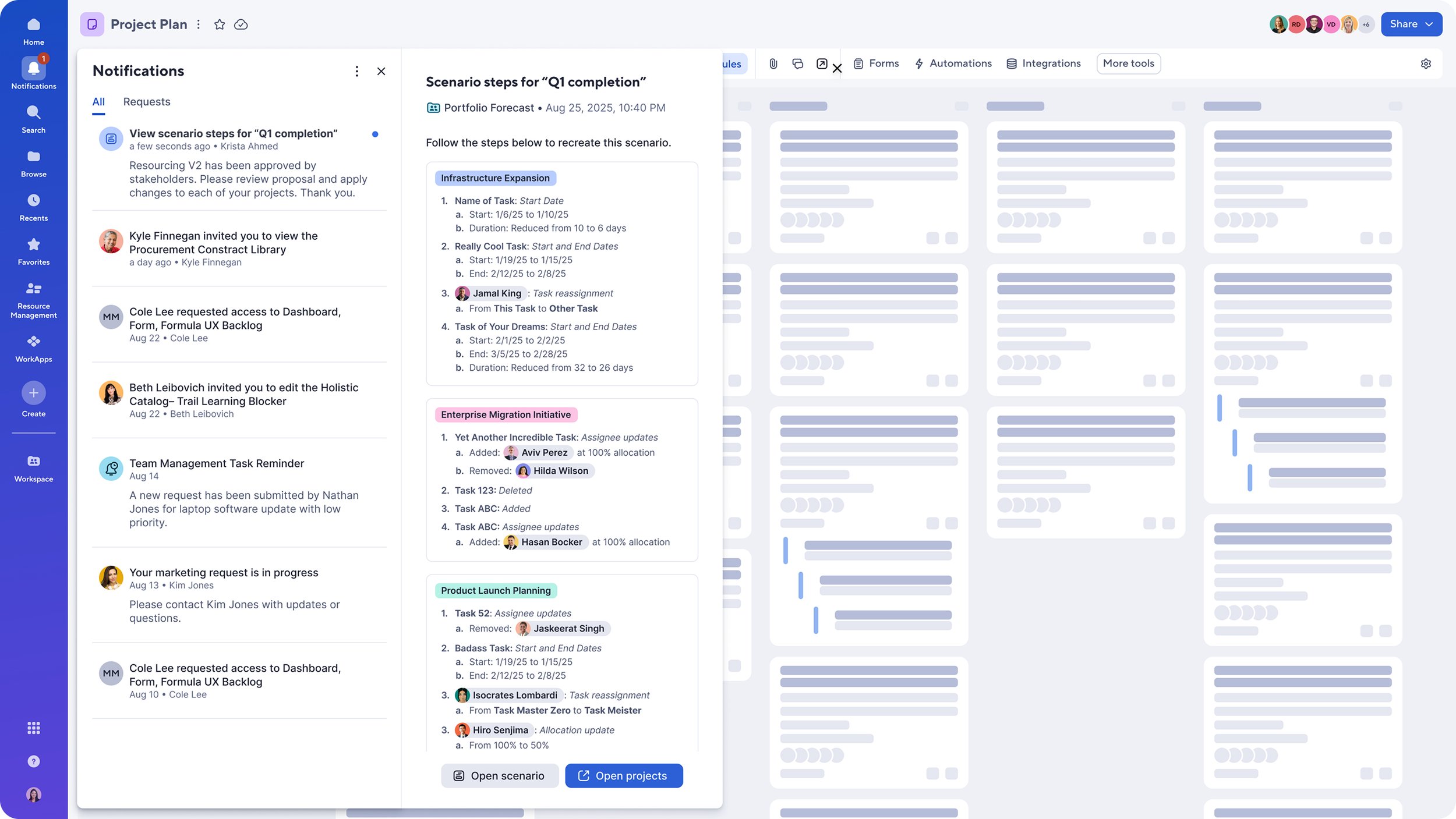

Dynamic planning for enterprise teams
Scenario Planning launched in May 2026, so adoption metrics are still early.